
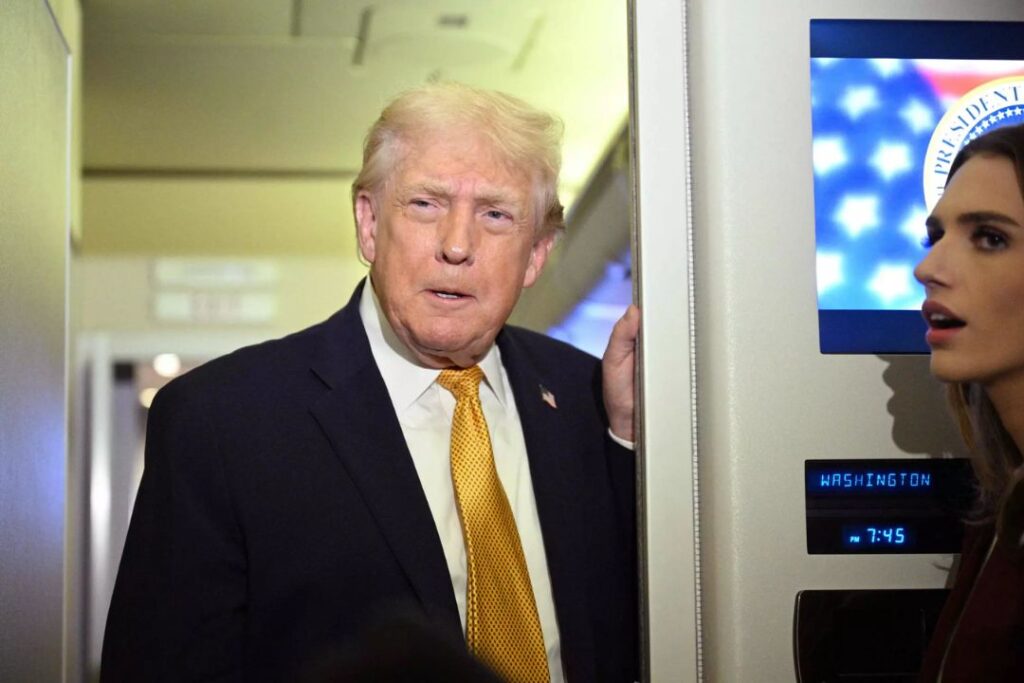
The geopolitical relationship between India and the United States is entering a sensitive phase following a series of major policy decisions announced by U.S. President Donald Trump. As the new U.S. Ambassador prepares to arrive in New Delhi, Washington has approved a hard-line legislative move that could significantly impact countries continuing to import Russian oil.
What Is the 500% Tariff Bill?
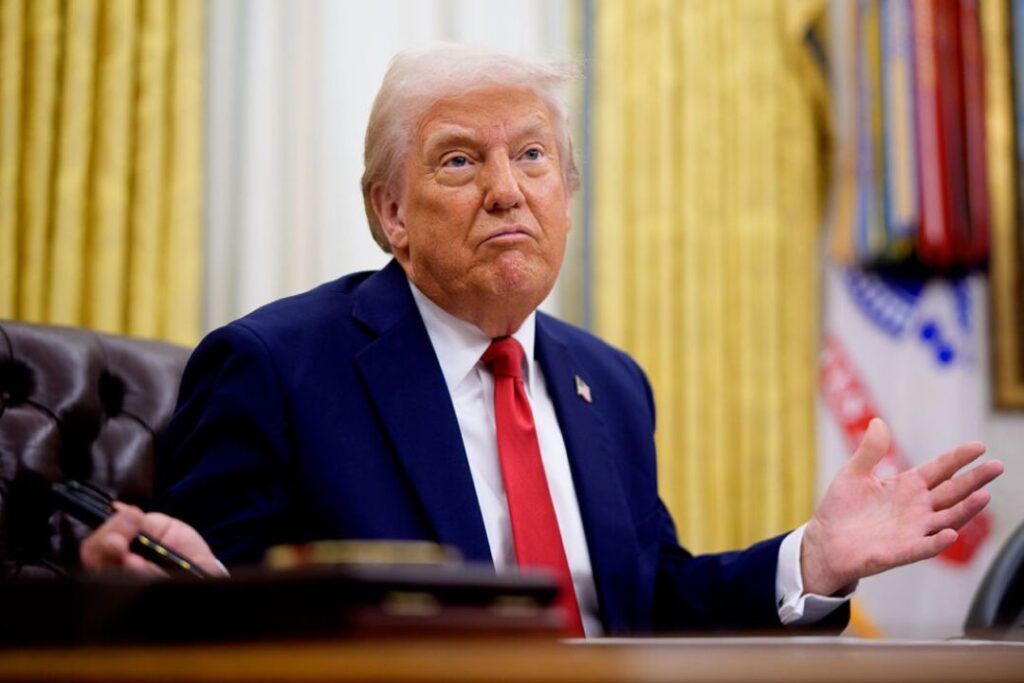
The proposed U.S. legislation authorises tariffs of up to 500 per cent on imports from countries that continue purchasing Russian oil, gas, or uranium. The intent behind the bill is to intensify economic pressure on Russia amid the ongoing Ukraine conflict by discouraging global energy trade with Moscow.
India, which has increased Russian crude purchases in recent years due to discounted pricing and energy security needs, could be indirectly affected if the bill becomes law.
Timing Raises Diplomatic Concerns
The approval of this bill comes at a critical diplomatic moment. The arrival of the U.S. Ambassador to India was expected to strengthen cooperation across defence, trade, and strategic sectors. Instead, the tariff proposal risks creating friction just as both nations attempt to stabilise trade relations.
Trade Pressure as a Strategic Tool
Washington’s strategy reflects a broader shift toward using trade policy as geopolitical leverage. By imposing extreme tariffs, the U.S. aims to push partner nations into aligning more closely with its foreign policy stance on Russia.
However, such measures could place countries like India in a difficult position — balancing long-standing strategic autonomy with the economic consequences of strained trade relations.
U.S. Withdrawal from the International Solar Alliance
Adding to concerns, the Trump administration has also announced its withdrawal from the International Solar Alliance (ISA) — a global clean energy initiative led by India and France. The exit signals a reduced U.S. role in multilateral climate partnerships and has raised questions about future cooperation in renewable energy and sustainability.
India’s Measured Approach
India has maintained a calm and diplomatic tone, emphasising its right to make independent energy decisions based on national interest. Officials have reiterated that affordable energy is essential for economic stability and development, particularly for a fast-growing economy like India.
At the same time, New Delhi remains engaged in dialogue to avoid escalation and protect long-term strategic ties with Washington.
What Lies Ahead
The tariff bill still requires legislative approval in the U.S., and its final shape remains uncertain. However, its mere endorsement has already sent strong signals across global markets and diplomatic circles.
As geopolitical tensions reshape global trade patterns, the coming months will be crucial in determining whether diplomacy can prevent further strain — or whether economic pressure will redefine U.S.–India relations.
Conclusion
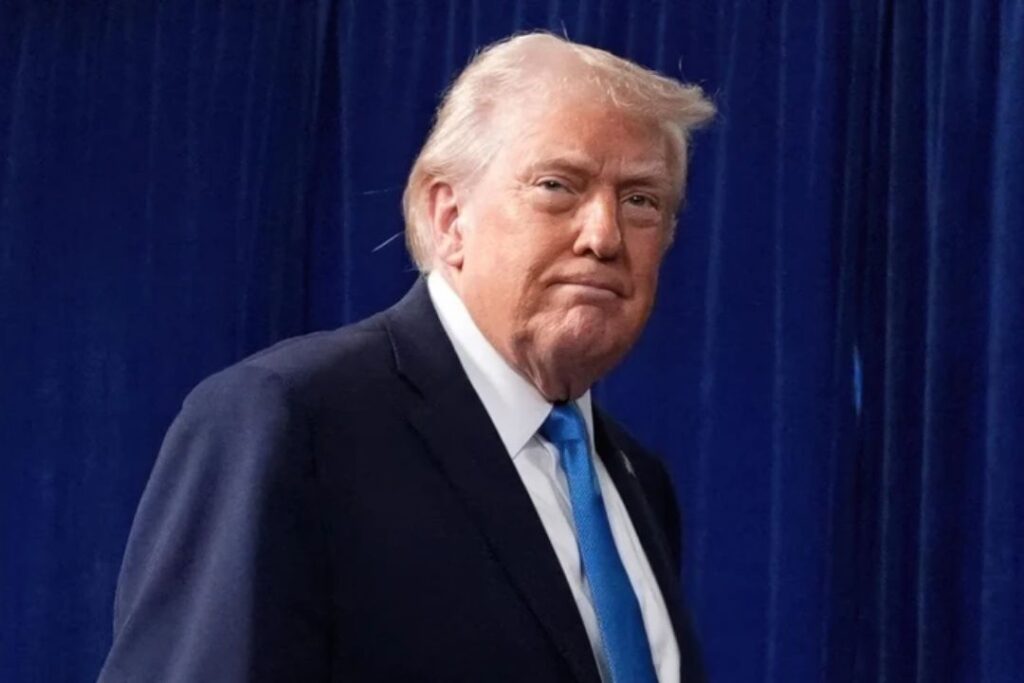
The U.S. decision to back a 500% tariff bill and exit the International Solar Alliance marks a turning point in global diplomacy.
As India navigates energy security and strategic autonomy, the path ahead will depend on dialogue, balance, and pragmatic cooperation between both nations.
For more Breaking News, in-depth political analysis, and global updates that matter, stay connected with us and explore our latest stories every day.