
Introduction
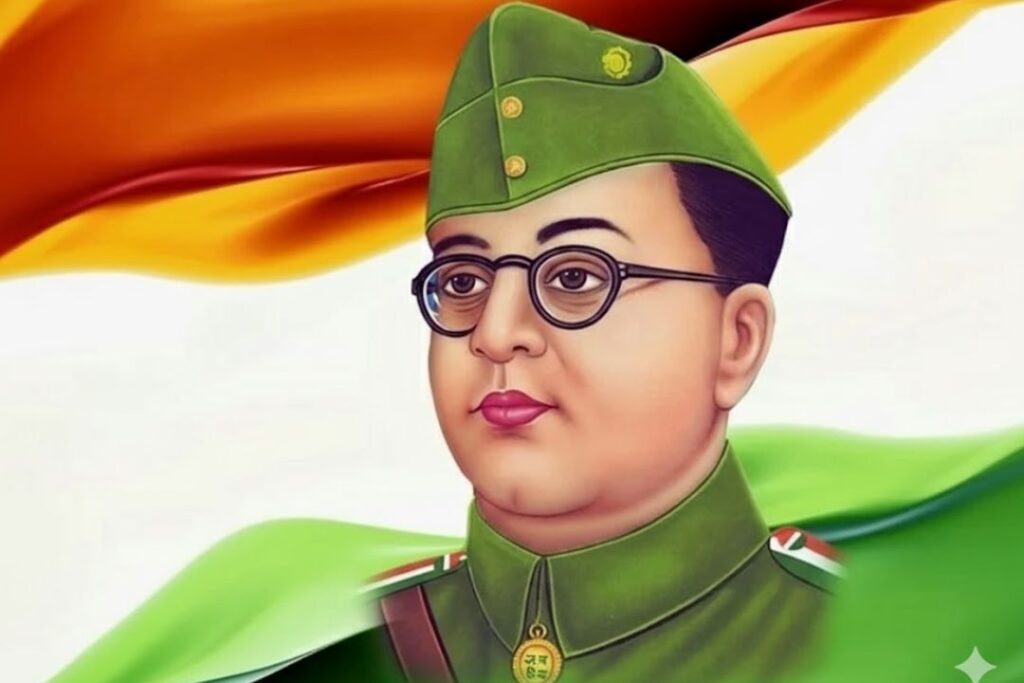
Subhas Chandra Bose, fondly known as Netaji, was one of the most fearless leaders of India’s independence movement. His revolutionary ideas, unmatched courage, and strong will to see India free from British rule made him a legend among Indian freedom fighters. This Subhas Chandra Bose biography highlights his journey, from his early education to his leadership of the Azad Hind Government.
5 Important Things About Subhas Chandra Bose
1. Early Life and Education
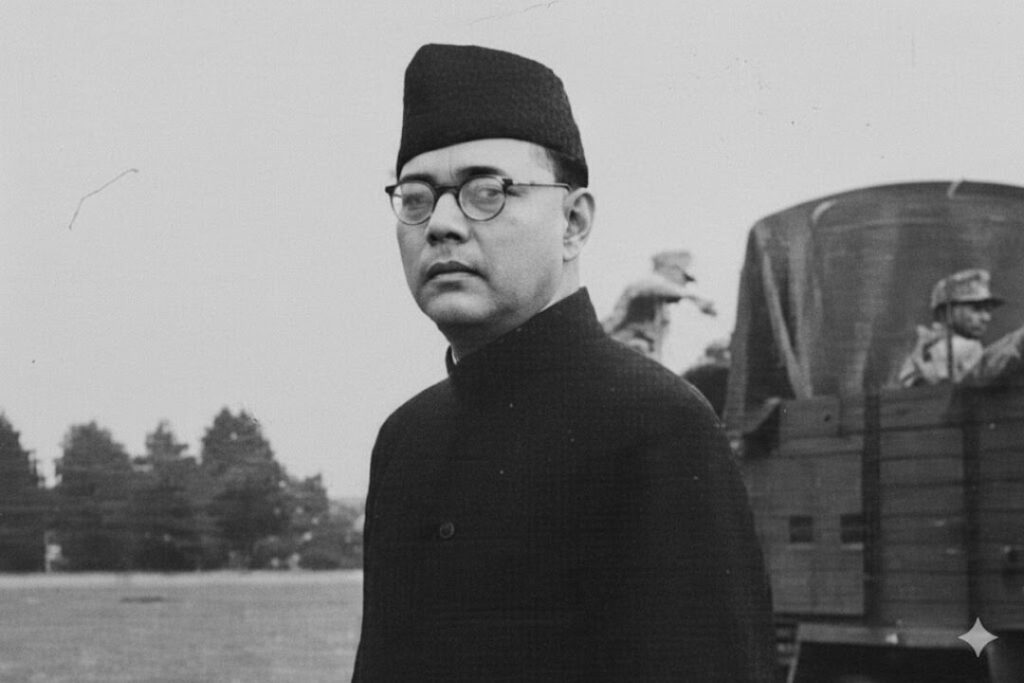
Subhas Chandra Bose was born on January 23, 1897, in Cuttack, Bengal Presidency (now Odisha). His father, Janakinath Bose, was a renowned lawyer, while his mother, Prabhavati Bose, was deeply spiritual and patriotic.
Bose was an intelligent student and completed his early education at Baptist Mission School and Presidency College, Calcutta. Later, he went to Cambridge University in England and cleared the Indian Civil Service (ICS) exam in 1920.
However, he resigned from the post to serve the nation, marking the beginning of his journey as a freedom fighter.
2. Political Career and Leadership
After returning to India, Netaji Subhas Chandra Bose joined the Indian National Congress (INC). His energy, discipline, and leadership quickly made him a prominent figure.
In 1938, Bose became the President of the Indian National Congress, but differences with Mahatma Gandhi and other leaders led to his resignation in 1939.
He later formed the Forward Bloc, focusing on uniting the youth and left-wing sections of Indian politics to fight for complete independence.
3. Azad Hind Government and Indian National Army (INA)
During World War II, Subhas Chandra Bose sought support from foreign nations to overthrow British rule. He traveled to Germany and later to Japan, where he revived the Indian National Army (INA).
In 1943, Bose established the Provisional Government of Free India (Azad Hind Government) in Singapore. The INA fought alongside Japanese forces against the British in Southeast Asia.
His famous slogan, “Give me blood, and I shall give you freedom!” became a battle cry for millions of Indians seeking liberation
4. Ideology and Vision
Netaji believed that India’s independence must be achieved through strength, unity, and sacrifice. Unlike Gandhi’s non-violence strategy, he supported armed struggle to attain freedom.
Bose’s political vision combined nationalism, socialism, and discipline. He dreamed of a strong and self-reliant India, where education, industry, and military power would lead the nation to global respect.
5. Death Mystery and Legacy
Subhas Chandra Bose is believed to have died in a plane crash on August 18, 1945, in Taiwan, though the mystery surrounding his death still sparks debates.
In India, he is remembered as Netaji, a symbol of courage and patriotism. Many monuments, airports, and educational institutions have been named in his honor, such as Netaji Subhas Chandra Bose International Airport in Kolkata.
His bravery continues to inspire generations to rise for their beliefs and serve the nation with integrity.
Interesting Facts about Subhas Chandra Bose
- He founded the Azad Hind Fauj (Indian National Army).
- He gave the famous slogan “Jai Hind!” which became India’s national greeting.
- He formed the Rani Jhansi Regiment, an all-women battalion in the INA.
- His leadership combined discipline, nationalism, and selfless service.
6. Final Thoughts
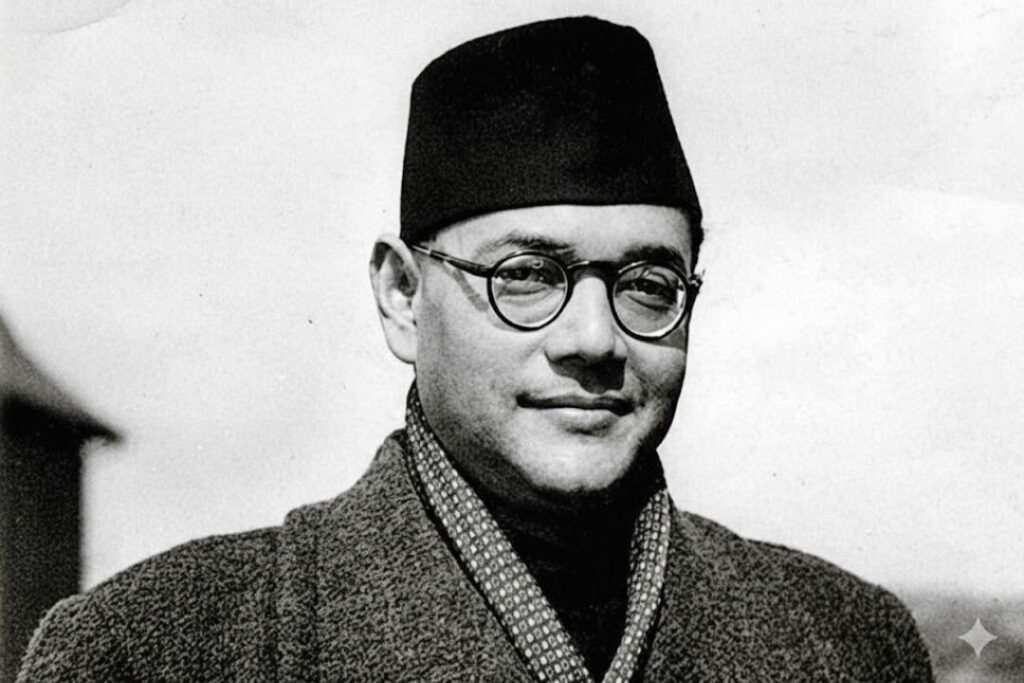
Subhas Chandra Bose’s life remains a powerful reminder that true freedom demands courage and sacrifice. He may have chosen a different path than others, but his passion for the motherland was unmatched.
This Subhas Chandra Bose Biography proves why he will forever be remembered as the Forgotten Hero of India’s Freedom Struggle.
For more inspiring leaders’ biographies, stories of courage, and untold freedom tales, Follow Us and stay connected with India’s proud history!