
Introduction
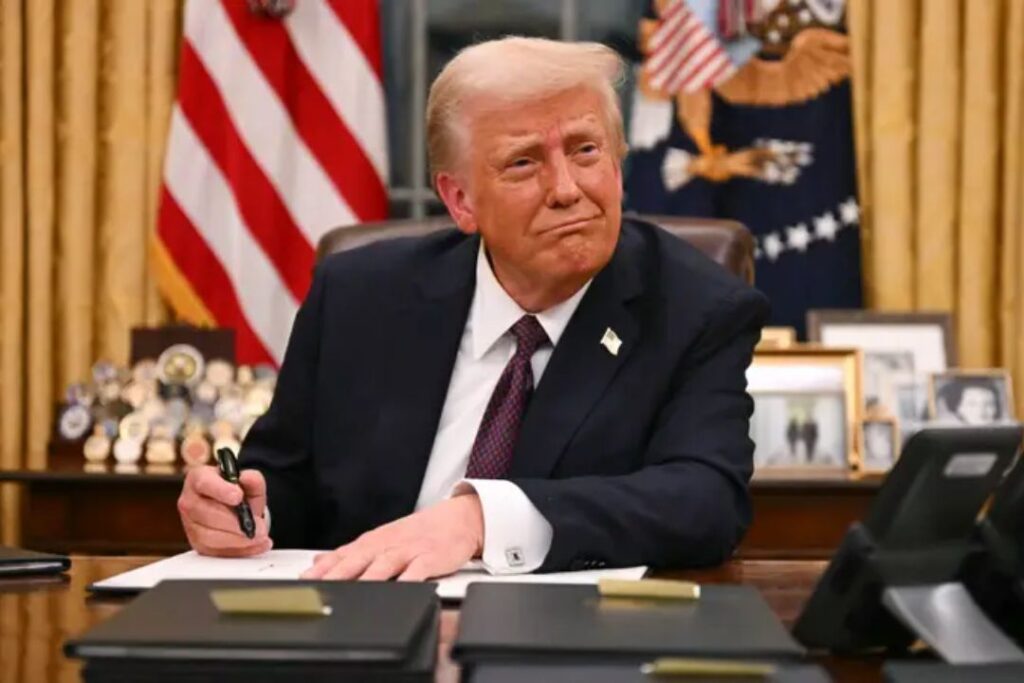
U.S. President Donald Trump is preparing for a crucial diplomatic tour across Asia next week, aiming to strengthen America’s global influence while managing mounting trade and geopolitical challenges. The five-day trip — spanning Malaysia, Japan, and South Korea — will test Trump’s deal-making abilities as he seeks to secure trade agreements, peace deals, and potentially meet China’s President Xi Jinping.
A High-Stakes Journey for Global Balance
Departing Washington on October 31, 2025, this marks Trump’s most extensive overseas visit since beginning his second term. The White House has framed the trip as an opportunity to enhance trade cooperation and regional peace, but behind the scenes, U.S.-China tensions are expected to dominate.
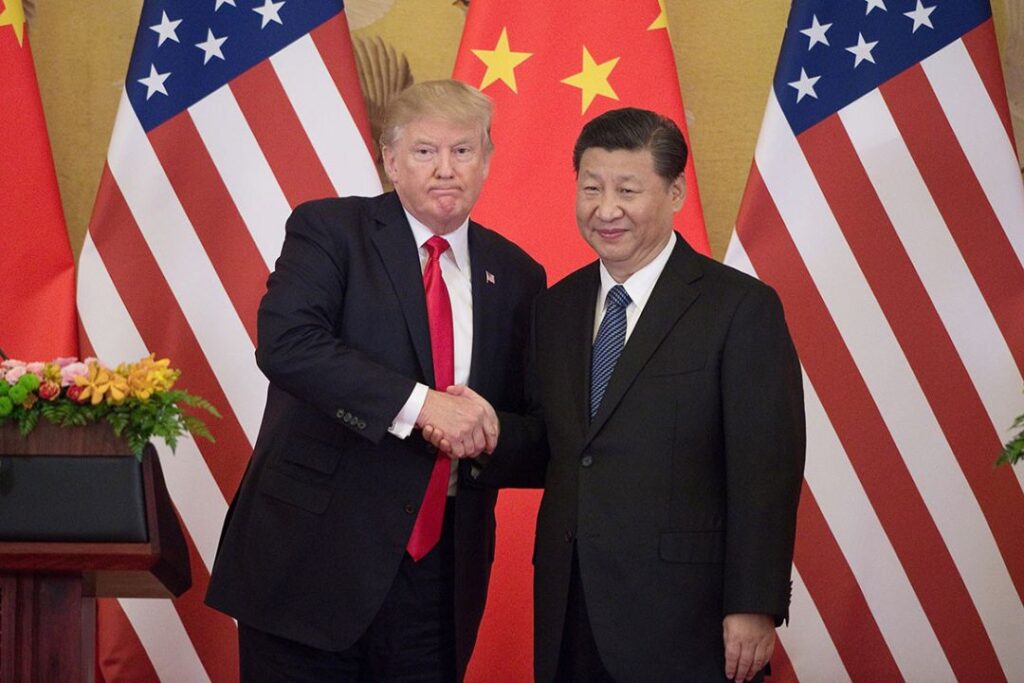
Trump hopes to finalize agreements on critical minerals, defense partnerships, and regional ceasefire arrangements before turning to the biggest diplomatic gamble — a potential meeting with Xi in South Korea.
Trade War Clouds Over the Trip
The U.S.-China trade conflict continues to escalate, with both nations imposing tariffs and restricting access to essential minerals and technology. Negotiators from both sides are working toward a temporary framework that could involve tariff relief and renewed commitments for China to buy U.S. goods such as aircraft and soybeans.
In return, the U.S. may ease restrictions on high-end chips for Chinese industries, though analysts say expectations remain modest. Beijing has yet to confirm whether the meeting with Trump will take place.
Strategic Stops: Malaysia, Japan, and South Korea
Trump’s first stop will be Kuala Lumpur, where he will attend the ASEAN Summit starting November 2, 2025. He may also witness the signing of a ceasefire deal between Thailand and Cambodia, a move reinforcing his image as a “global peacemaker.”
From there, Trump will visit Tokyo to meet Prime Minister Sanae Takaichi, who is expected to announce a $550 billion investment plan in U.S. defense and technology sectors — signaling Japan’s continued alignment with Washington’s Indo-Pacific strategy.
The final leg in Busan, South Korea, will focus on trade realignment, with discussions potentially paving the way for Trump’s meeting with Xi Jinping before the international trade summit begins.
Tariff Threat Looms Large
Trump has warned of raising tariffs to 155% on Chinese imports starting November 10 if no meaningful progress is made. The move could trigger a new trade war, intensifying pressure on Beijing to negotiate.
Officials say the agenda will primarily address trade restrictions, Taiwan’s security, and China’s oil imports from Russia. However, sources indicate Trump is unlikely to discuss broader political issues during this trip.
Other Diplomatic Priorities
The U.S. President is also working to secure trade deals with Malaysia and India, while reaffirming commitments with South Korea, where relations have been strained by Trump’s demand for increased investments in American companies and tighter labor rules.
South Korean President Lee Jae Myung hopes Trump will reopen dialogue with North Korea’s Kim Jong Un, though no such meeting has been planned.
The World Watches Closely
Political analysts believe this trip could reshape Trump’s second-term foreign policy direction. “The question is whether he can convert pressure into progress,” said Ellen Harris, senior fellow at the Council on Foreign Relations.
Whether the trip ends in success or renewed confrontation, one thing is certain — Trump’s Asia tour will play a pivotal role in defining America’s global standing in 2025.
Final Thoughts
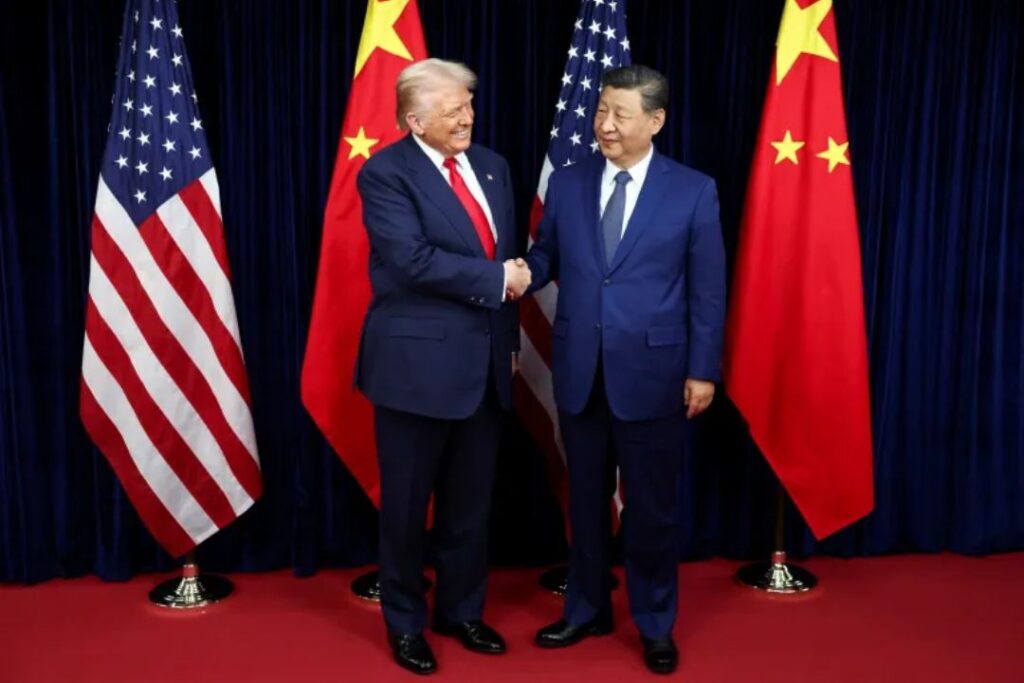
As global tensions rise, President Trump’s Asia visit holds the potential to redefine U.S.–China relations and regional stability. His approach to trade, peace, and diplomacy could either open doors to cooperation or spark new rivalries across Asia. The outcomes of this mission may influence the balance of global power for years to come.
Follow us for continuous updates on U.S.–China relations, trade policies, and key developments in world diplomacy.