
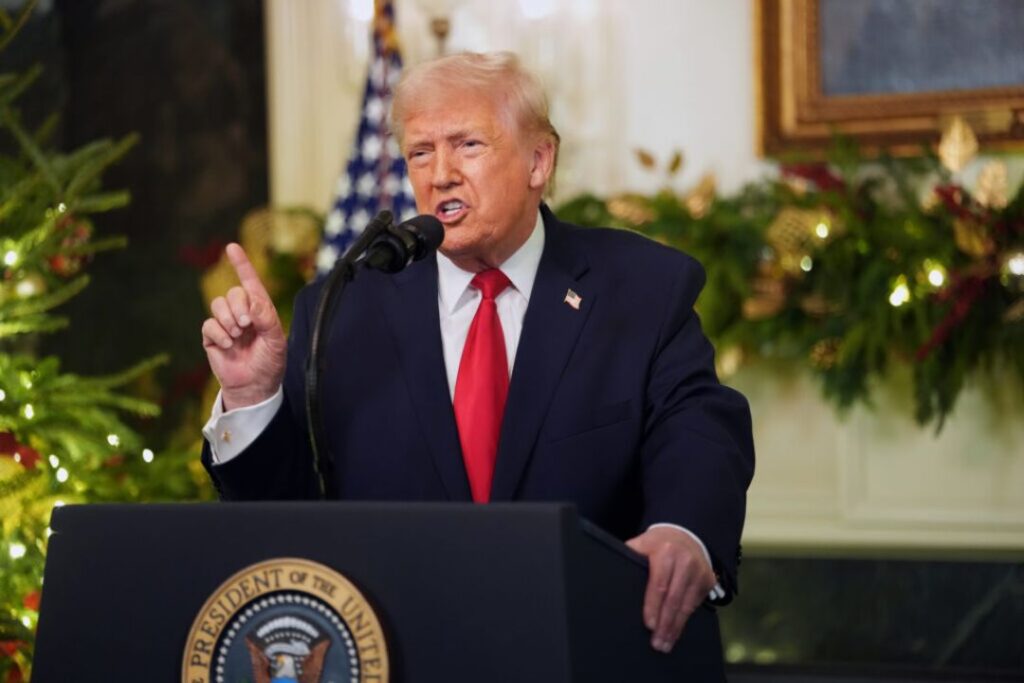
President Donald Trump announced that United States forces had carried out what he described as a “large-scale strike” on Venezuela, resulting in the capture of President Nicolás Maduro.
The claim followed a dramatic night in Caracas, where residents were woken by a brief but intense series of explosions and the sound of low-flying aircraft over the city.
Within hours of the reported blasts, President Trump made the announcement from Florida, stating that Maduro had been detained and flown out of Venezuela in a coordinated operation involving U.S. military units and American law enforcement agencies.
The statement was shared on Truth Social and marked a major escalation in Washington’s long-running confrontation with the Venezuelan government, which the U.S. has repeatedly refused to recognise as legitimate.
Trump framed the operation as part of a broader campaign focused on drugs, illegal migration, and national security. According to the U.S. administration, months of pressure had already been building against Caracas before the strike took place.
Why Did the U.S. Attack Venezuela?
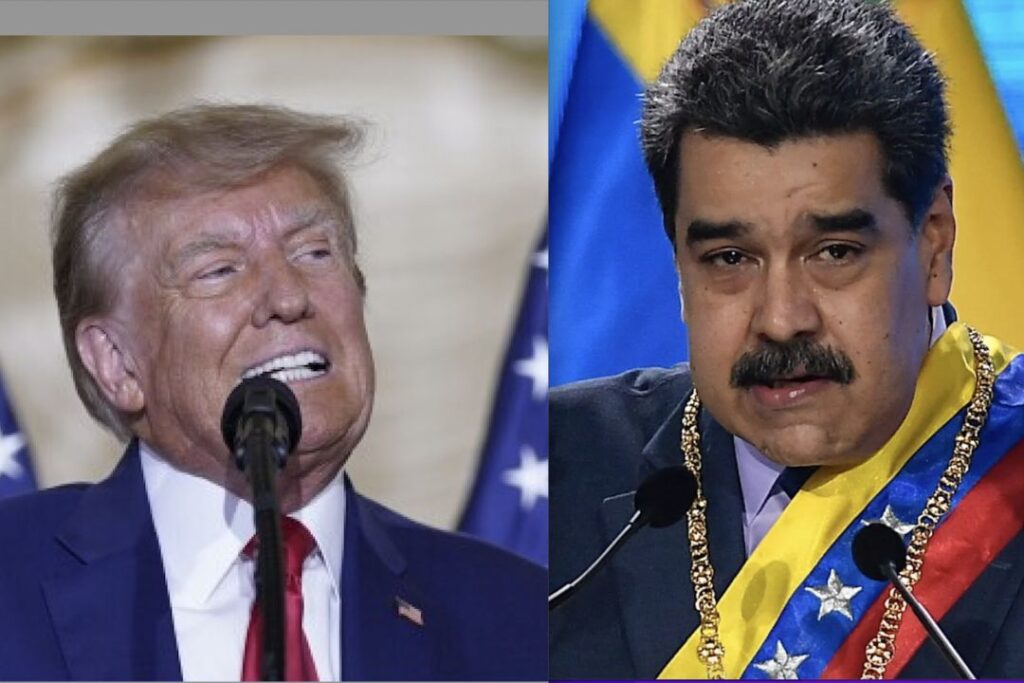
The U.S. government has cited three main reasons behind the operation: migration, drug trafficking, and what it calls “narco-terrorism.”
First, migration has been a central argument. Trump has repeatedly linked Venezuela to the sharp rise in migrants arriving at the U.S. southern border.
Since 2013, millions of Venezuelans have reportedly left their country due to economic collapse, political repression, and worsening living conditions.
Most have settled in Latin American nations, but a significant number have attempted to reach the United States.
Without presenting direct evidence, Trump has accused President Maduro of deliberately encouraging migration by releasing prisoners and individuals from mental institutions and pushing them toward the U.S. border.
The Venezuelan government has firmly denied these allegations, calling them false and politically motivated.
The second reason involves drugs. The Trump administration claims that Venezuela plays a major role in international drug trafficking, particularly as a transit route for cocaine. Trump has also linked Venezuela to the broader fentanyl crisis affecting the United States.
As part of this narrative, the U.S. designated two Venezuelan criminal groups — Tren de Aragua and the Cartel de los Soles — as Foreign Terrorist Organizations.
Trump has gone further by alleging that Maduro himself leads or protects the Cartel de los Soles, an accusation Caracas strongly rejects.
Venezuela has accused Washington of using the “war on drugs” as an excuse to justify regime change rather than genuine law enforcement.
What Happened During the Operation?
According to Trump, U.S. forces carried out a short but intense operation that resulted in the capture of Nicolás Maduro and his wife. They were reportedly flown out of Venezuela shortly after being detained.
Trump praised the planning of the mission and the performance of the troops involved, saying more details would be shared at a later news conference.
On the ground in Caracas, witnesses described explosions near military locations, power outages in surrounding areas, and aircraft flying overhead.
Videos verified by international media showed smoke, tracer fire, and signs of active combat in parts of the city and along the coast.
Venezuela’s government accused the U.S. of striking both civilian and military targets and declared a state of external threat, urging supporters to mobilise.
Months of Escalation
The strike came after months of rising military and economic pressure. The U.S. had expanded its naval and air presence in the Caribbean, including the deployment of a major aircraft carrier. American forces also seized oil tankers and enforced an oil blockade, while acknowledging deadly strikes on boats accused of drug trafficking.
The U.S. government says it is engaged in an armed conflict with drug cartels. Maduro, however, denies all allegations and claims Washington’s true goal is to remove him from power and gain greater control over Venezuela’s vast oil resources.
He has pointed out that Venezuela had recently offered cooperation on migration and drug control shortly before the strikes occurred.
Conclusion
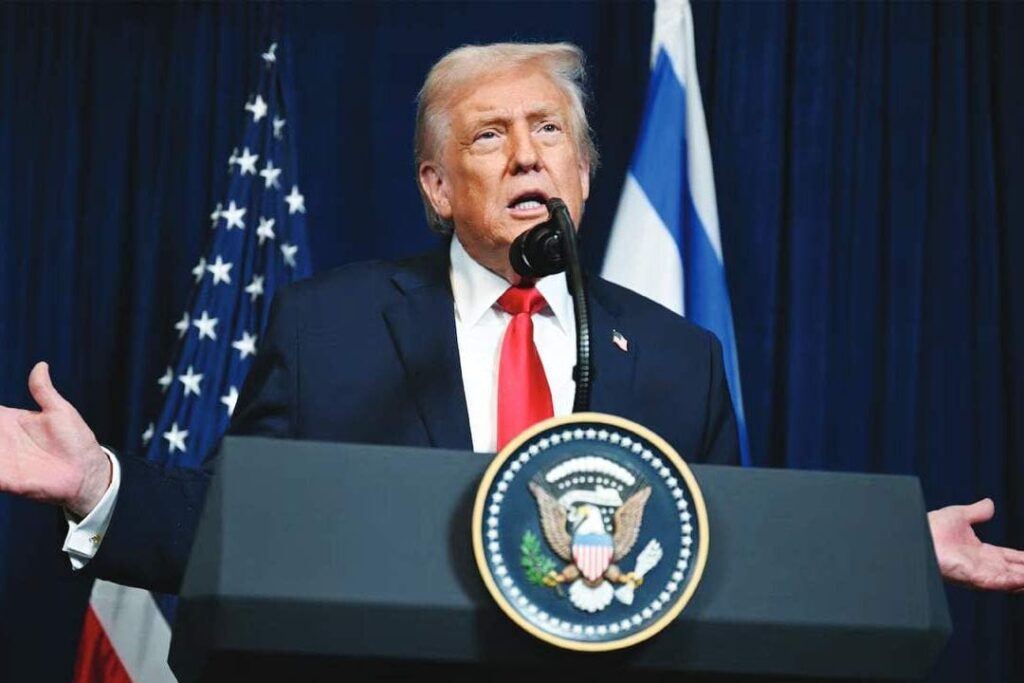
The U.S. attack on Venezuela and the capture of President Nicolás Maduro represent a turning point in international relations. Framed by Washington as a security-driven operation, the move has sparked global debate over sovereignty, legality, and power politics.
As events continue to unfold, the situation will shape regional stability, diplomatic relations, and the future direction of Venezuela’s political landscape.
For more latest news, global updates, and in-depth political analysis, visit us regularly and stay informed with credible, timely, and unbiased coverage from around the world.