
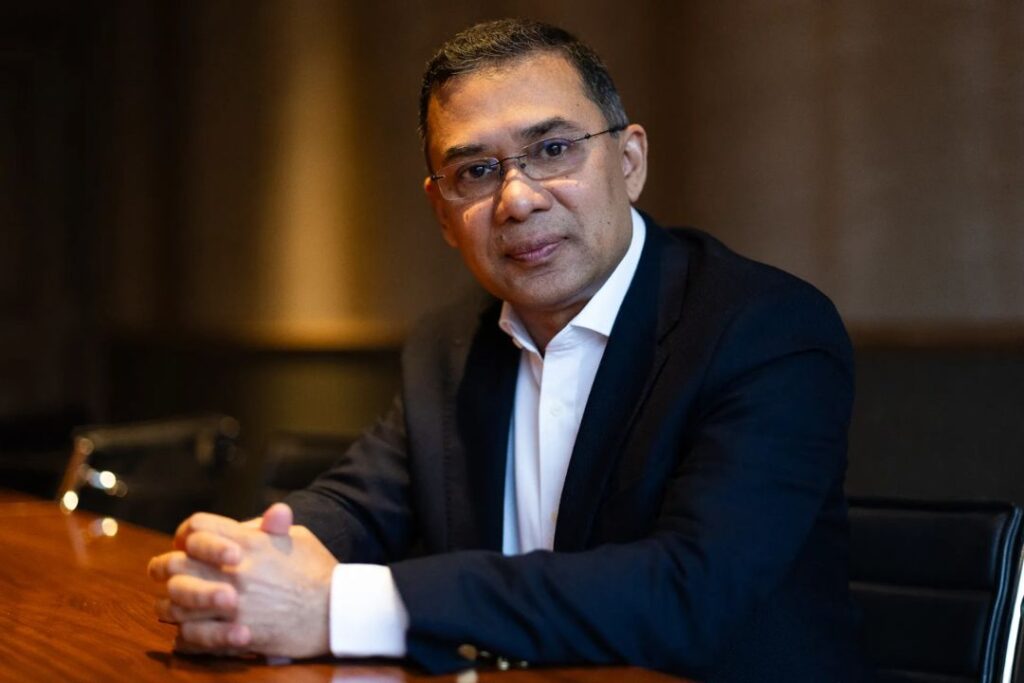
Tarique Rahman’s return to Bangladesh after nearly two decades has reshaped the country’s political landscape and drawn close attention from India. As the acting chairman of the Bangladesh Nationalist Party (BNP) and son of former Prime Minister Khaleda Zia, his comeback is not just a domestic political event but a development with clear regional implications.
At a time when Bangladesh is witnessing political uncertainty, street mobilisation, and rising influence of Islamist groups, Tarique Rahman’s entry has created both expectations and concerns for New Delhi.
A Major Political Shift in Bangladesh
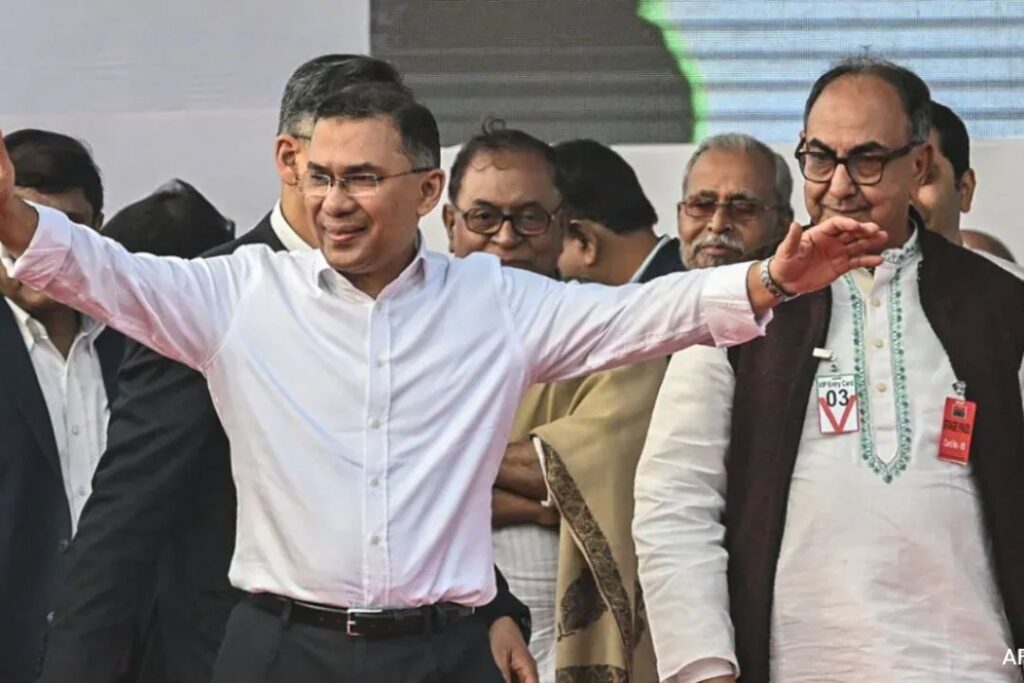
Tarique Rahman’s return signals a revival of BNP’s political strength ahead of upcoming elections. Large public gatherings welcoming him show that BNP is preparing for a serious challenge to existing political arrangements. For Bangladesh, this could mean a more competitive political environment, but it also raises questions about stability during the transition.
For India, any major political shift in Dhaka matters because of the close geographical, economic, and security ties between the two countries.
India’s Core Concern: Stability and Security
India’s primary interest in Bangladesh has always been political stability and strong cooperation on security issues. Over the years, cooperation between the two countries has helped reduce cross-border militancy and improved coordination on insurgency-related concerns.
The rise of hardline Islamist voices and threats linked to Jamaat-e-Islami following Tarique Rahman’s return has increased India’s caution. These groups have historically taken an anti-India stance, and their growing influence could complicate bilateral security cooperation.
Tarique Rahman’s Foreign Policy Signals
Tarique Rahman has spoken about a “Bangladesh-first” approach to foreign policy. This signals an attempt to project independence rather than alignment with any one country. From India’s perspective, this stance can be read in two ways.
On one hand, it suggests continuity in diplomatic engagement without confrontation. On the other hand, it introduces uncertainty, as BNP in the past has been perceived as less aligned with India compared to previous governments.
India will closely observe whether this approach translates into balanced diplomacy or opens space for forces that are openly hostile to Indian interests.
Impact on India–Bangladesh Relations
Several key areas could be affected by political changes in Bangladesh:
- Border management and security cooperation
- Trade and connectivity projects
- Water-sharing agreements
- Protection of minorities
Any weakening of coordination in these areas would directly affect India’s eastern states and regional stability.
India has publicly maintained that Bangladesh’s elections should be free, inclusive, and peaceful, reflecting its preference for stability over political alignment with any specific leader or party.
The Jamaat Factor and India’s Anxiety
The reaction from Islamist groups to Tarique Rahman’s return has added another layer of complexity. Open hostility toward India from such groups raises concerns about internal pressure on future governments in Dhaka.
For India, the key issue is not who governs Bangladesh, but whether extremist elements gain influence over policy decisions, especially those affecting security and minorities.
Conclusion
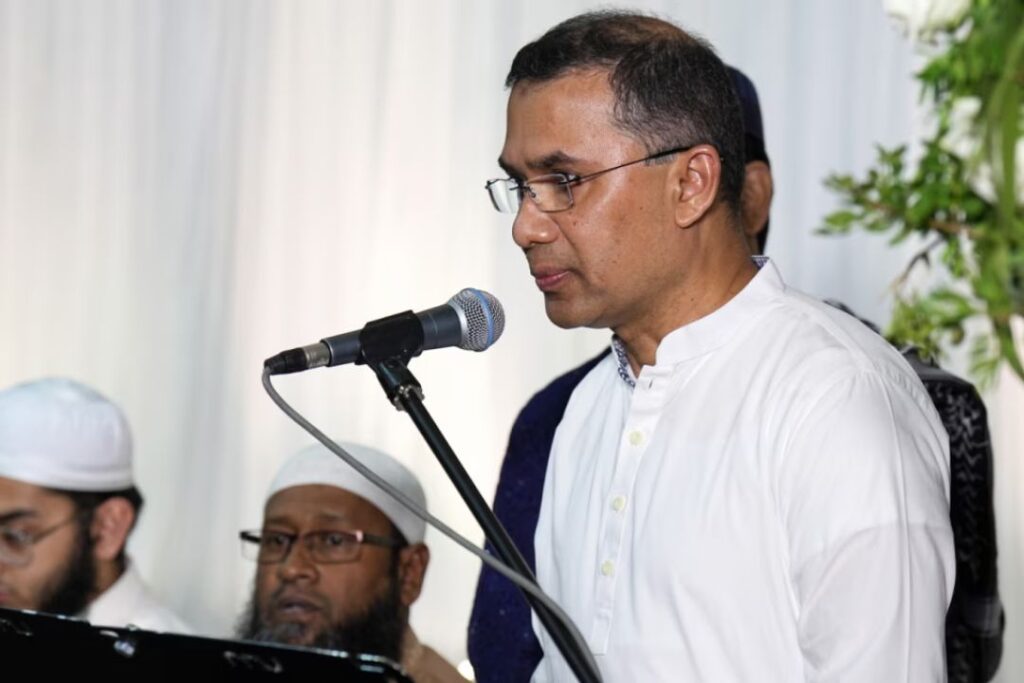
Tarique Rahman’s return marks an important moment in Bangladesh’s political evolution. For India, it is a development that demands careful observation rather than immediate judgement. While his leadership could bring political balance, the surrounding instability and hardline rhetoric create strategic uncertainty.
India’s approach is likely to remain cautious, focused on maintaining stability, safeguarding security interests, and ensuring that bilateral cooperation does not weaken amid Bangladesh’s internal political changes.
For more blogs on foreign policy, regional diplomacy, and strategic affairs, Click Here to explore in-depth analysis, expert perspectives, and timely updates shaping global relations.